>>
30-MINUTE MEALS! Get the email series now →


A simple, flexible dough that yields a blistered, airy crust with crisp edges and a chewy interior — perfect for home ovens and long cold-ferments.
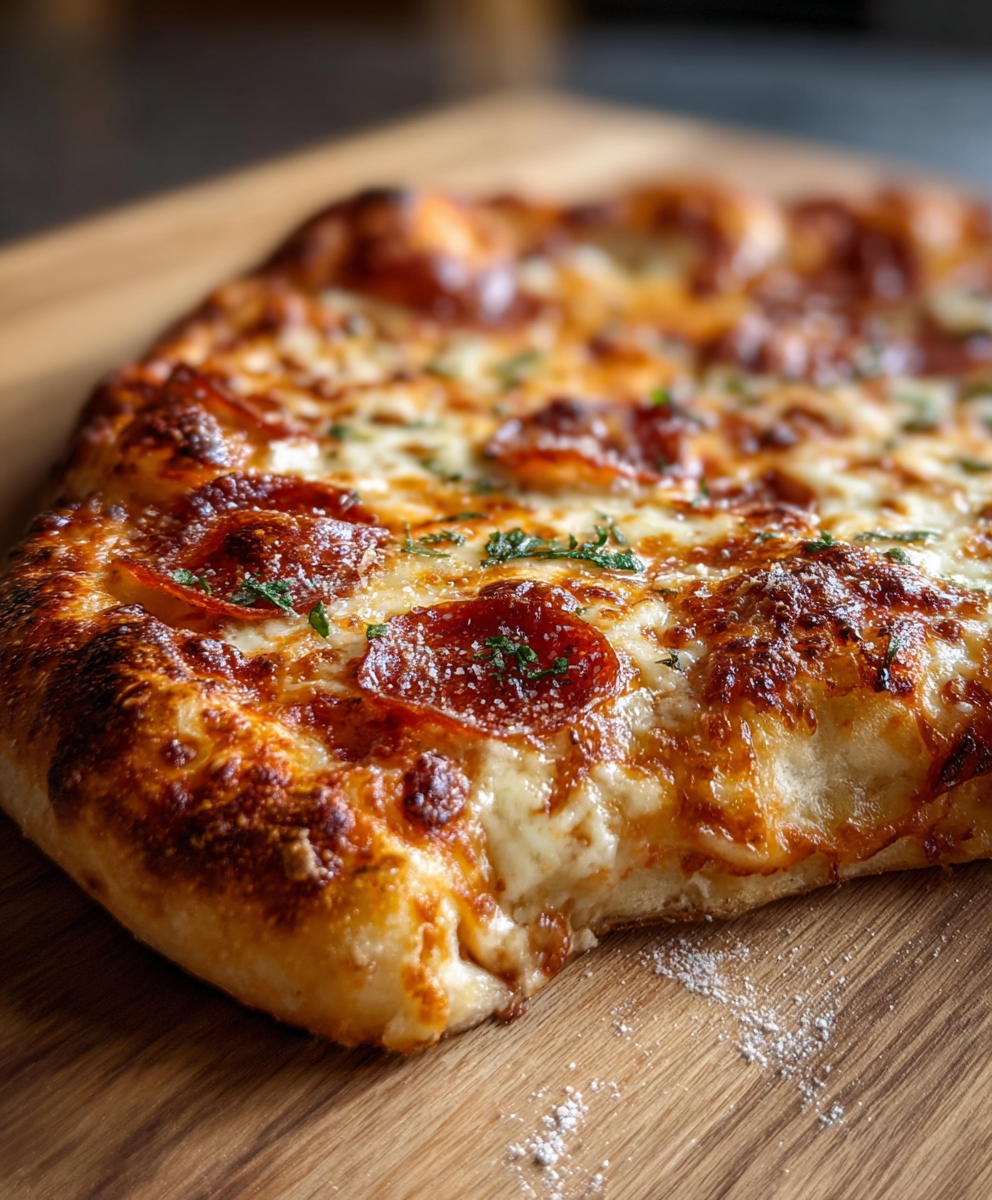
This artisan dough recipe has been my kitchen’s quiet hero for years. I discovered this approach during a weekend of experimenting with high-heat baking and slow fermentation; the result was a crust that had the blistered bubbles and chewy interior I’d always chased at pizzerias. It transformed weeknight pizza into a ritual: shaping by hand, listening to the dough sigh as it rests, and watching the oven work its magic. Every bite is a contrast of crisp edge and pillowy crumb, with those shiny, amber blisters that signal proper hydration and oven heat.
I first tested this formula on a rainy Saturday when pantry staples were all I had: bread flour, water, yeast, salt, and a bottle of olive oil. After a short warm-rise and a longer cold fermentation, the dough developed a depth of flavor that made even the simplest toppings sing. Friends who tried it asked for the recipe immediately; now it’s our go-to for feeding a hungry crowd or making a quiet, perfect personal pizza. You’ll find technique notes, storage tips, and adaptations below so you can reproduce that crisp-chewy-bubbly balance at home.
On the many occasions I’ve made this, the most memorable was a midsummer pizza night where every neighbor dropped by — the dough’s airy pockets and crisp rim made every slice a conversation starter. I learned that patience in fermentation and a blistering oven are the two non-negotiables for that perfect crust.
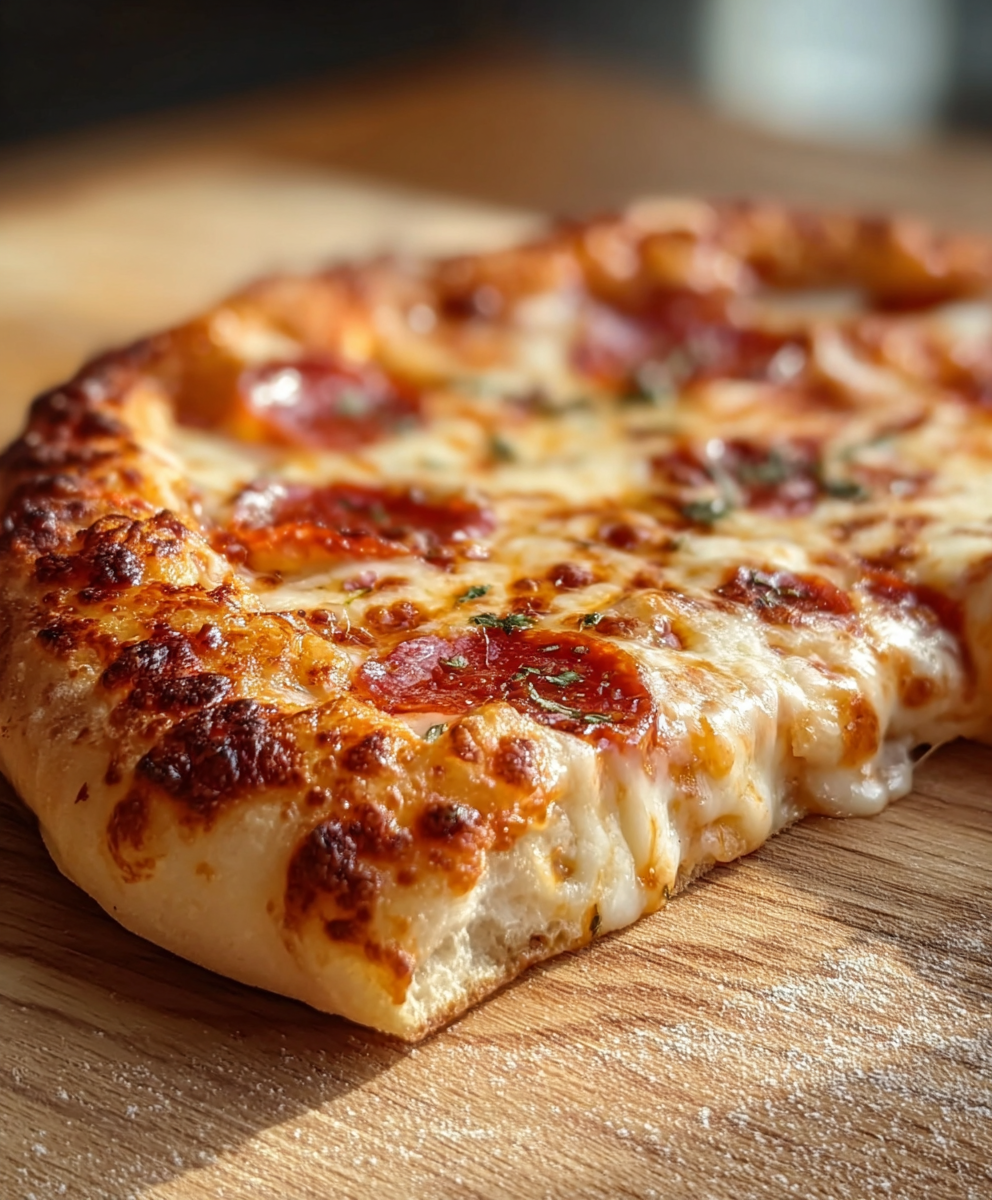
My favorite thing about this dough is the way it rewards patience. A 24-hour ferment produces a complex, slightly tangy crumb that pairs beautifully with simple toppings — San Marzano tomatoes, fresh mozzarella, and basil. Family members have commented that it tastes like a pizzeria pie, and I love that the technique scales: make a double batch and freeze half for effortless future dinners.
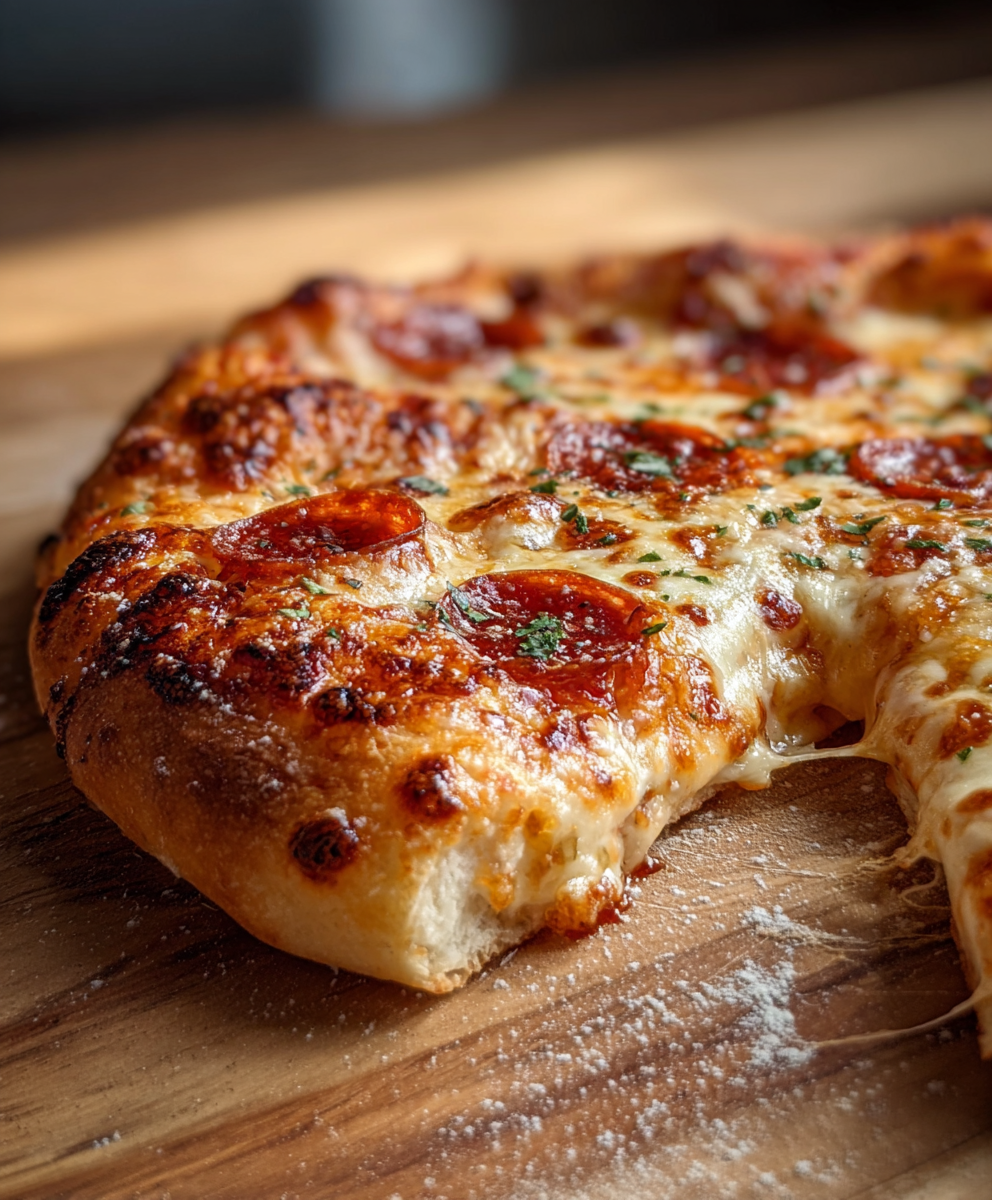
Store dough balls in lightly oiled, airtight containers or zip-top bags. For short-term use, keep in the refrigerator for up to 48 hours; the slow fridge-proof develops flavor. For longer storage, freeze portions on a tray until solid, then transfer to bags for up to 3 months. Thaw in the fridge overnight, then allow 1–2 hours at room temperature before shaping. Once baked, store leftovers loosely covered at room temperature for up to 24 hours or refrigerate for 2–3 days; reheat in a very hot oven or toaster oven to recrisp the crust.
If you don’t have bread flour, all-purpose flour can be used but expect a slightly softer, less chewy crust — add 1 tablespoon of vital wheat gluten per cup of AP flour to mimic bread flour strength. Swap instant yeast for active dry by increasing the amount by 25% or proofing it in the warm water first. For a dairy-free topping approach this dough is naturally dairy-free; if you want a gluten-free crust you’ll need a completely different blend of flours and binders — this formula contains wheat and is not suitable for gluten-free conversion without major changes.
Serve the pizzas straight from the oven with a drizzle of extra-virgin olive oil and a sprinkle of flaky sea salt. Light, fresh toppings — fresh mozzarella, basil, arugula, lemon zest — highlight the crust. For heartier meals, offer roasted vegetables, spicy sausage, or caramelized onions. Pair with a crisp salad for balance: peppery arugula, shaved parmesan, and a lemon vinaigrette complement the crunchy-chewy textures.
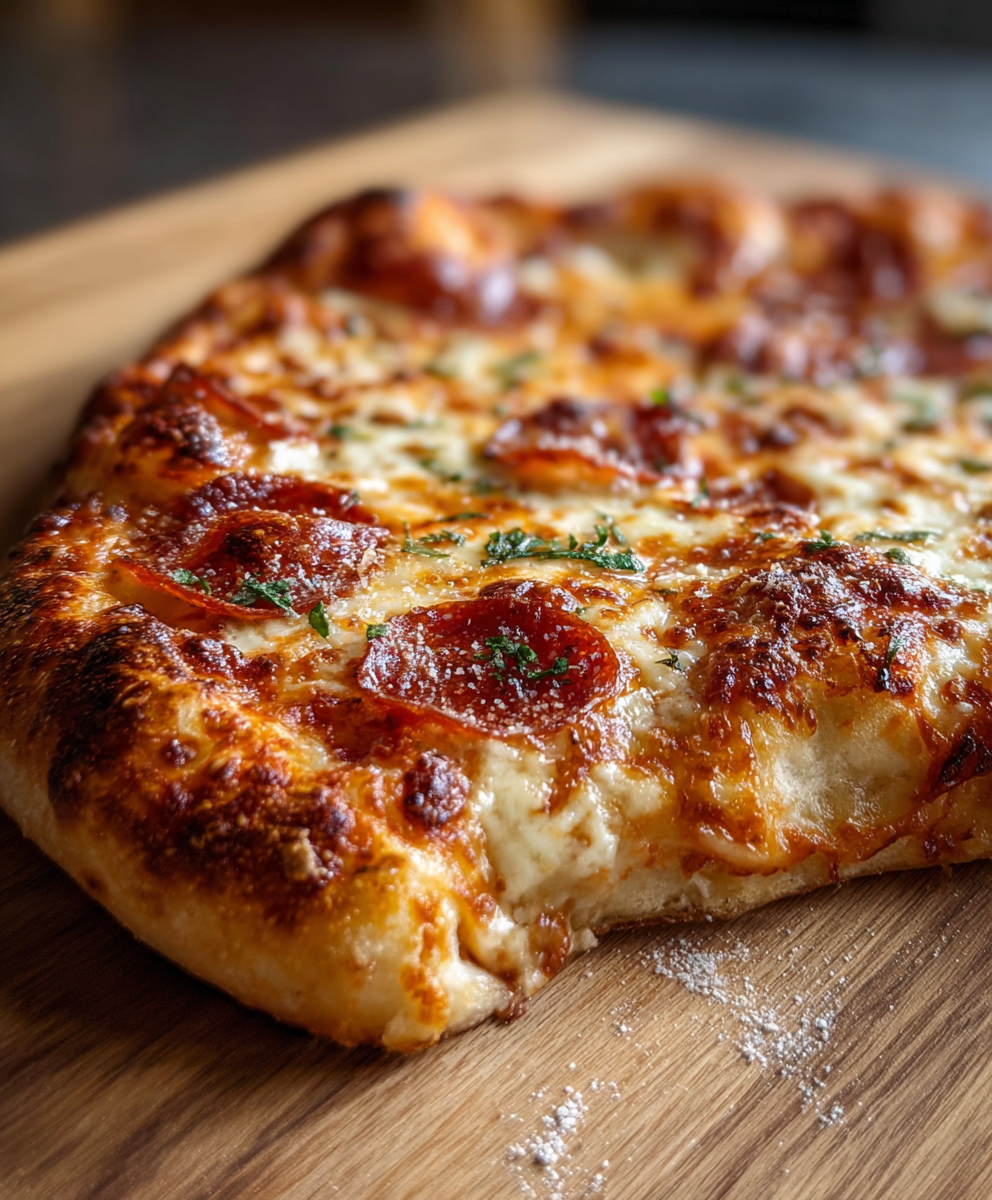
While this approach takes cues from Neapolitan traditions — high hydration, short handling, and a blistered bake — it’s adapted for home ovens. Neapolitan pies are typically cooked in wood-fired ovens at extreme heat; modern home bakers emulate those conditions with preheated stones or steels and very hot ovens. The emphasis here is on fermentation and gluten development, techniques rooted in age-old bread-making practices across Mediterranean cultures.
In summer, top with fresh heirloom tomatoes, basil, and burrata. In fall and winter, roast root vegetables or use caramelized onions, mushrooms, and fontina for comfort. Cold fermentation works well year-round, but in hot climates shorten room-temperature rises to prevent overproofing; lean on refrigeration to control timing.
Make a double batch and freeze half the dough balls for quick weeknight pizzas. Portion dough into 10–12 ounce balls for individual pizzas and label with date. Pre-shape and par-bake crusts for busy nights, then store par-baked shells in the fridge for up to 48 hours or freeze for longer. Reheat on a hot surface to restore crispness.
This dough is forgiving and rewarding: practice shaping a few times, respect the fermentation, and use high heat when baking. The result is a crust that is crisp at the base, chewy inside, and studded with flavorful bubbles — a small ritual that turns pizza nights into something worth savoring.
Use a pizza peel dusted with semolina or coarse cornmeal for easy transfer to the hot stone.
Resist overloading toppings; too much sauce or cheese will weigh the crust down and prevent blistering.
Allow the dough to rest after dividing so the gluten relaxes — this makes stretching easier and reduces tearing.
If using active dry yeast, hydrate it first in warm water; increase by approximately 25% compared to instant yeast.
This nourishing artisan pizza dough — crispy, chewy, bubbly crust recipe is sure to be a staple in your kitchen. Enjoy every moist, high protein slice — it is perfect for breakfast or as a wholesome snack any time.
Yes — you can freeze shaped dough balls for up to 3 months. Thaw overnight in the refrigerator, then come to room temperature before shaping.
Preheat for at least 45 minutes with a pizza stone or steel inside. Use the oven’s highest temperature (500–550°F if available) for best results.
This Artisan Pizza Dough — Crispy, Chewy, Bubbly Crust recipe makes perfectly juicy, tender, and flavorful steak every time! Serve with potatoes and a side salad for an unforgettable dinner in under 30 minutes.
Combine warm water and sugar or honey in a large bowl, sprinkle yeast on top, and wait 5–10 minutes until foamy. This confirms yeast activity; skip if using instant yeast directly.
Add bread flour and salt, pour in olive oil, and mix until a rough dough forms. Ensure the salt is mixed into the flour to avoid direct contact with yeast.
Turn onto a floured surface and knead 8–10 minutes until smooth and elastic using the push-fold-turn method. Proper gluten development yields chew and supports large bubbles.
Oil a bowl, place the dough inside, and cover. Let rise 1–2 hours at room temperature until doubled, or refrigerate for 8–48 hours for cold fermentation to develop flavor.
Punch down gently, divide into 2–4 portions, form balls, and rest 15–20 minutes at room temperature so the gluten relaxes and shaping is easier.
Preheat oven with a pizza stone or steel to highest temperature for at least 45 minutes. Stretch dough by hand, add minimal toppings, and bake 8–12 minutes until crust is golden and bubbly.
Let the baked pizza rest 2–3 minutes before slicing to allow the interior to set and toppings to settle.
Last Step: Please leave a rating and comment letting us know how you liked this recipe! This helps our business to thrive and continue providing free, high-quality recipes for you.
Leave a comment & rating below or tag
@royalrecipe on social media!
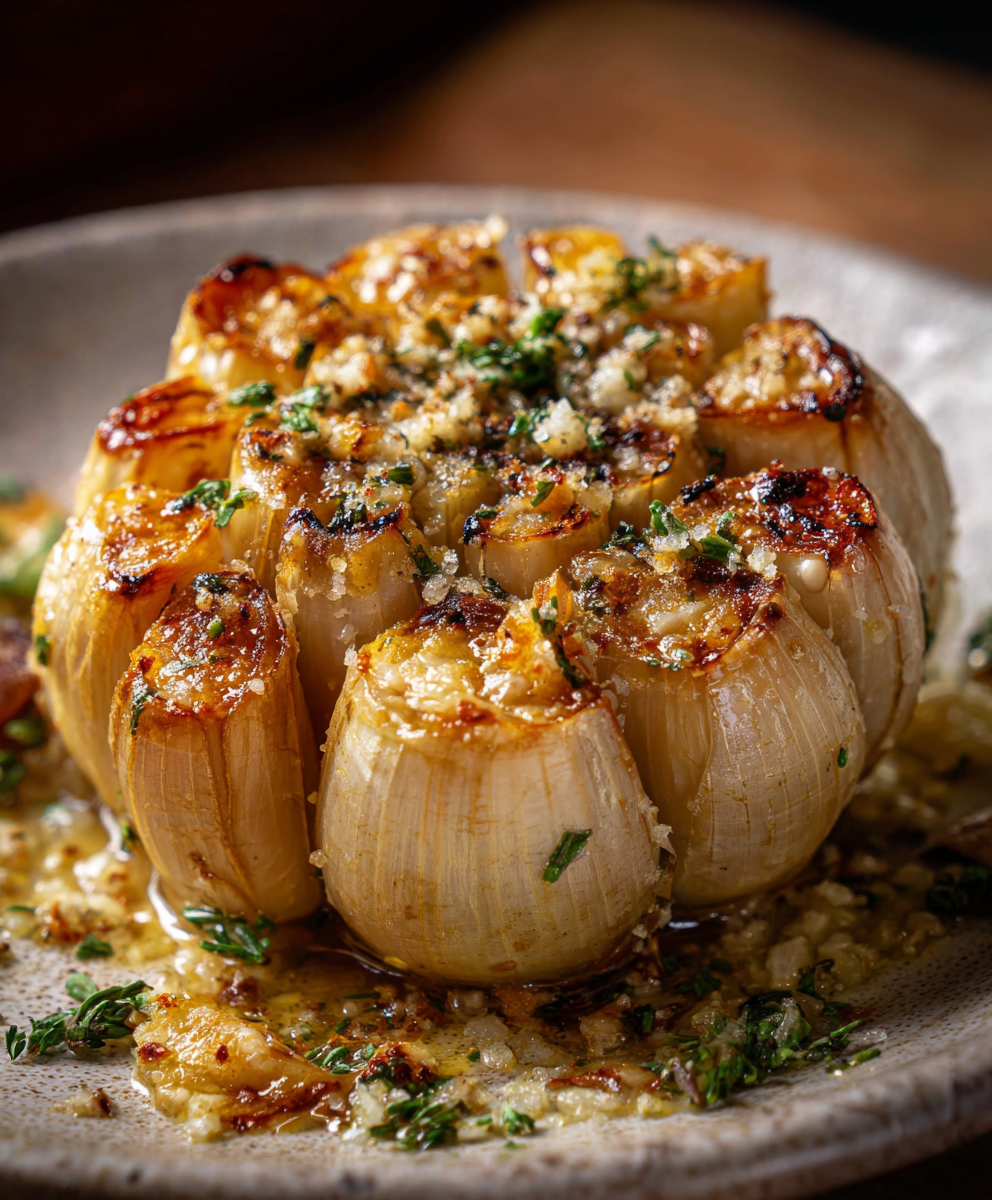
Learn how a 5-minute prep transforms a whole garlic bulb into silky, caramelized cloves in the air fryer. Perfect as a spread, mix-in, or flavor booster that elevates weeknight meals and party plates.

Golden, melty pizza rolls made in the air fryer—crispy outside, gooey inside, ready in under 20 minutes. Perfect for snacks, parties, or quick dinners.

Crispy, light rolls filled with vermicelli, tofu or shrimp, and crisp vegetables—air-fried for a healthier crunch and quick prep.
Leave a comment & rating below or tag @royalrecipe on social media!
Enjoyed this recipe? Share it with friends and family, and don't forget to leave a review!
This recipe looks amazing! Can't wait to try it.
Comments are stored locally in your browser. Server comments are displayed alongside your local comments.

Join to receive our email series which contains a round-up of some of our quick and easy family favorite recipes.