
French Butter Cookies (Sablés)

Buttery, delicate rounds with a crisp edge and tender center—classic French butter cookies that are effortless to make and impossible to resist.
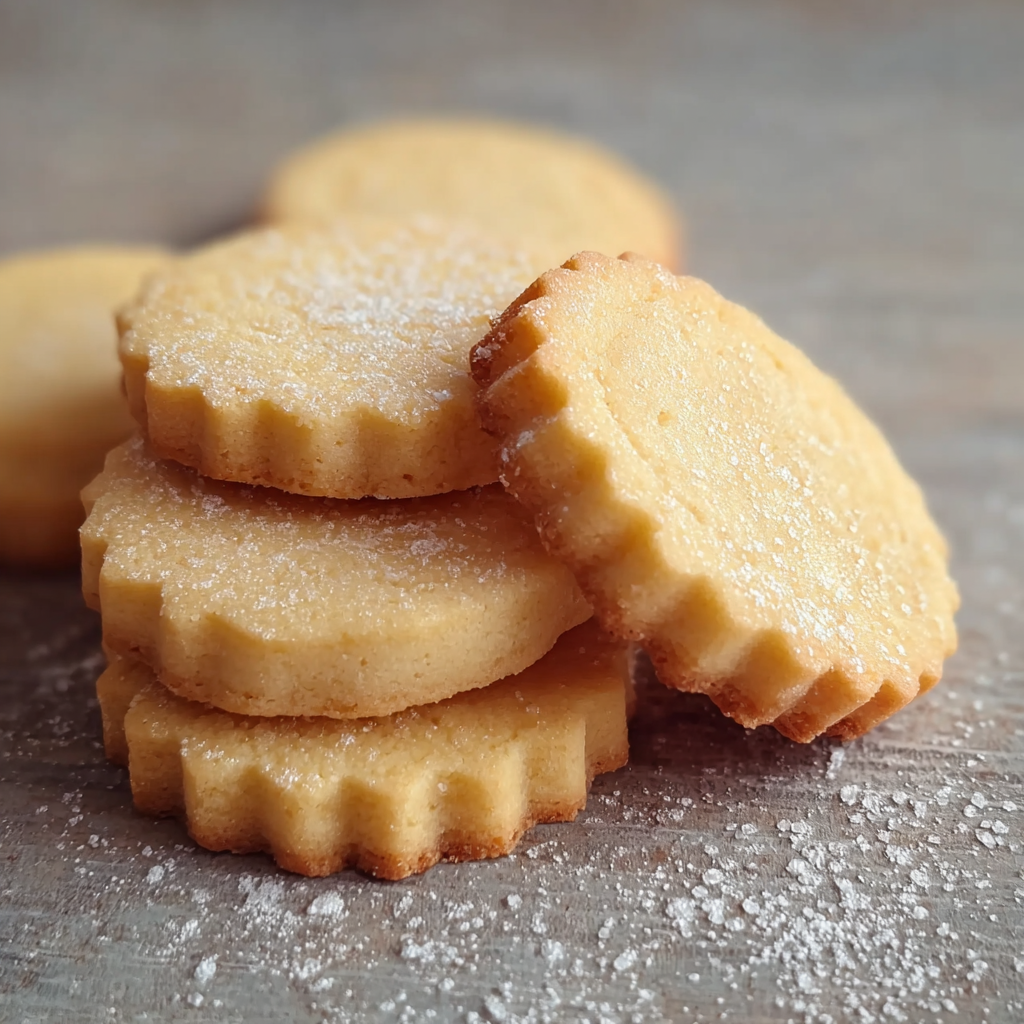
This little batch of French butter cookies has been a quiet staple in my kitchen for years. I first learned this version on a rainy afternoon when I wanted something simple that relied on technique rather than complex ingredients. The dough comes together from pantry basics and yields delicate rounds with a crisp edge and a melt-in-your-mouth center—exactly what I want when I’m baking for tea or gifting neighbors at the holidays. The texture is all butter-forward, lightly sweet, with just enough vanilla to lift the flavor.
I remember the first time I brought these to a family gathering: within minutes the tray was nearly empty and my aunt asked for the recipe. They are so forgiving that even a beginner can produce consistent results; the key is cold dough and a light hand when slicing. These cookies are an ideal base for small twists—press in a chocolate chip, dip half in melted dark chocolate, or sprinkle coarse sugar on top for a bright, sparkly finish. They feel elegant, but the technique is comfortably home-style.
Why You'll Love This Recipe
- Simple ingredients: just butter, sugar, an egg yolk, vanilla, flour, and a pinch of salt—everything you likely have on hand.
- Quick to assemble: active preparation is about 15–20 minutes and chilling for an hour makes the dough easy to slice.
- Make-ahead friendly: the dough can be refrigerated or frozen for later baking, perfect for planning ahead.
- Versatile: excellent plain or dressed up with coarse sugar, citrus zest, chocolate dip, or a sprinkle of sea salt.
- Consistent results: the technique emphasizes temperature and minimal handling, so even first-time bakers can achieve the classic tender crumb.
- Crowd-pleaser: light, buttery, and not too sweet—perfect with tea, coffee, or as an elegant bite at gatherings.
I’ve gifted these many times and noticed how they invite conversation—their buttery aroma seems to make people nostalgic. My partner always comments on the edges; he loves the tiny salty-crisp rim that forms when the butter reaches the right temperature in the oven. I’ve experimented with brands and learned that European-style butter gives a richer flavor, while good-quality vanilla makes a noticeable difference.
Ingredients
- Unsalted butter (1 cup): Use high-quality, unsalted butter and bring it to soft but not greasy—this controls both flavor and texture. European-style butter (82–85% fat) yields a richer taste.
- Granulated sugar (2/3 cup): Provides sweetness and helps the outer edges caramelize slightly. For extra sparkle, reserve a tablespoon to sprinkle before baking.
- Large egg yolk (1): Contributes richness and helps bind the dough; use the white for an omelet or meringue later.
- Vanilla extract (1 teaspoon): A pure vanilla extract is worth the splurge here—its aromatic lift complements the butter without overpowering it.
- All-purpose flour (2 cups): Measure by spooning into the cup and leveling for accuracy. Too much flour will dry the dough; aim for a soft, slightly pliable consistency.
- Pinch of salt: A small pinch brings out sweetness and balances the butter. If using salted butter, reduce or omit additional salt.
- Extra sugar for sprinkling (optional): Coarse or caster sugar adds a pretty finish and a light crunch when sprinkled before baking.

Instructions
Cream the butter and sugar: In a large bowl, beat 1 cup of softened unsalted butter with 2/3 cup granulated sugar until the mixture is light and fluffy. Use a stand mixer with the paddle attachment on medium speed or a hand mixer. This step incorporates air and gives a tender crumb; look for a pale, smooth texture, about 2–3 minutes. Add yolk and vanilla: Mix in 1 large egg yolk and 1 teaspoon vanilla extract until fully combined. Scrape down the bowl so the yolk is evenly distributed—this adds richness without making the dough wet. Fold in dry ingredients: Gradually add 2 cups all-purpose flour and a pinch of salt, mixing on low speed or folding by hand until a soft dough forms. Avoid overworking: stop when no dry streaks remain. The dough should hold together but remain slightly pliable. Shape and chill: Turn the dough onto a lightly floured surface and shape it into a log about 8–10 inches long and 1 1/2–2 inches in diameter, or press into a rectangular block for slice-and-bake shapes. Wrap tightly in plastic wrap and refrigerate for at least 1 hour to firm up; this prevents spreading and ensures clean rounds when sliced. Preheat and slice: Preheat the oven to 350°F (175°C). Unwrap the chilled log and, using a sharp knife or bench scraper, slice into 1/4-inch rounds. For even cookies, use a ruler to guide your cuts. Place rounds on a parchment-lined baking sheet about 1 inch apart. Optional finish: Lightly sprinkle the tops with extra granulated or coarse sugar for sparkle. If you prefer flavored variations, press a small pinch of citrus zest or a whole nut into each center before baking. Bake: Bake the cookies for 10–12 minutes, rotating the pan halfway through. Watch the edges: they should be just turning golden while the centers remain pale. Remove from the oven and transfer to a cooling rack; the cookies firm up as they cool.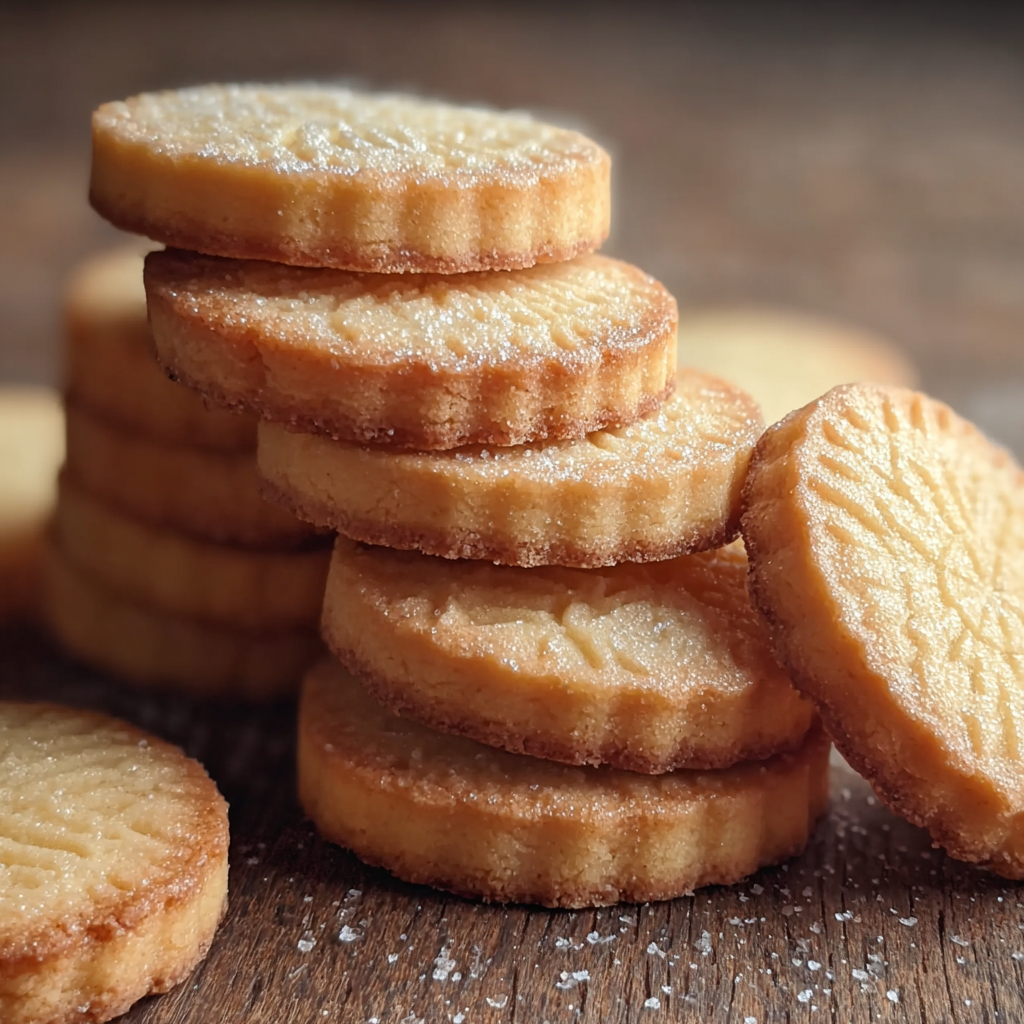
You Must Know
- These cookies freeze well: sliced raw dough freezes for up to 3 months; bake straight from frozen with an extra 1–2 minutes of time.
- Texture note: chilling is essential—warm dough will spread and lose its delicate edge.
- Storage: keep in an airtight container at room temperature for up to 5 days, or freeze baked cookies separate layers with parchment for up to 2 months.
- Nutrition: these are butter-forward; serve small portions if watching intake and pair with fresh fruit or tea to balance richness.
What I love most is how reliably these turn out: the oven does the work, and the technique is forgiving. Over the years I’ve learned to trust the look of the edges rather than the clock—golden rims and pale centers signal perfection. Family and guests often comment on how crisp and light they feel, despite being packed with butter flavor.
Storage Tips
Store baked cookies in an airtight container at room temperature for up to five days; layer with parchment to prevent sticking. For longer storage, freeze cooled cookies in a single layer on a sheet pan, then transfer to a resealable freezer bag for up to two months. To refresh slightly stale cookies, warm them in a 300°F (150°C) oven for 3–5 minutes—this revives the crisp edges without drying the interior. If you freeze the log of dough, slice and bake directly from frozen, adding 1–2 minutes to the bake time and watching closely for golden edges.
Ingredient Substitutions
Butter is the flavor backbone here: for a richer taste, use European-style butter; for a lighter butter note, standard unsalted works fine. Substitute half the granulated sugar with superfine (caster) sugar for a finer crumb. For a gluten-free version, try a one-to-one gluten-free flour blend but expect a slightly different texture; add 1–2 tablespoons of finely ground almond flour to improve tenderness. If you need an egg-free option, replace the yolk with 1 tablespoon of milk or a neutral yogurt, but the final texture will be a touch less rich.
Serving Suggestions
Serve these as a refined tea cookie alongside a strong black tea or a floral white tea. For a dessert platter, pair with fresh berries, slices of pear, or a small pot of jam for spreading. Half-dip cooled cookies in dark chocolate and allow to set for a glossy, sophisticated finish—sprinkle with flaky sea salt for contrast. They also make lovely edible gifts: stack in a pretty tin with parchment and a ribbon for neighbors or hosts.
Cultural Background
These rounds draw inspiration from classic French "sablé"—literally meaning 'sandy'—a reference to the tender, crumbliness achieved through high butter content and gentle handling. Originating in Normandy and Brittany where butter is produced abundantly, variations of sablés have been made regionally across France for generations. Traditionally simple, they were often served with tea or as an accompaniment to coffee and occasionally evolved with additions like citrus zest, nuts, or spices.
Seasonal Adaptations
Adapt these cookies by season: in winter, stir 1/2 teaspoon cinnamon or orange zest into the dough for warmth; in spring, press a frozen raspberry into the center after baking for a fresh pop; summer calls for a lemon or lavender sugar sprinkle. For holiday presentations, shape dough into small stars or use cookie cutters, then decorate with coarse sugar or colored glaze. The basic dough is a blank canvas that responds well to seasonal flavors without losing its classic texture.
Meal Prep Tips
Make a double batch of dough and freeze half as a log wrapped tightly; you can slice and bake straight from the freezer, which makes fresh cookies available on demand. Portion dough into rounds, freeze on a sheet tray, then bag the frozen slices for single-batch baking later. When prepping for events, bake several days ahead and freeze; thaw at room temperature for 20–30 minutes before serving. Label freezer bags with the date and bake time to keep organized.
These little cookies are a joyful reminder that simple ingredients and careful technique yield something special. Whether you keep them plain or dress them up, they’re excellent for sharing and easy to make your own. Give the dough a try this weekend—you’ll have buttery rounds that smell like comfort and feel like celebration.
Pro Tips
Measure flour by spooning into the measuring cup and leveling to avoid adding too much.
Use a sharp knife or bench scraper for clean, even slices of the chilled log.
Chill the dough at least 1 hour; cold dough maintains shape and produces a tender crumb.
Rotate the baking sheet halfway through the bake for even browning.
For extra crunch, sprinkle coarse sugar right before baking.
This nourishing french butter cookies (sablés) recipe is sure to be a staple in your kitchen. Enjoy every moist, high protein slice — it is perfect for breakfast or as a wholesome snack any time.
FAQs about Recipes
Can I freeze the dough?
Yes. Slice the chilled dough, place on a baking sheet, and bake as directed. If baking from frozen, add 1–2 minutes to the bake time.
How long do these keep?
Store in an airtight container at room temperature for up to 5 days, or freeze baked cookies for up to 2 months.
Tags
French Butter Cookies (Sablés)
This French Butter Cookies (Sablés) recipe makes perfectly juicy, tender, and flavorful steak every time! Serve with potatoes and a side salad for an unforgettable dinner in under 30 minutes.
Ingredients
Dough
Instructions
Cream butter and sugar
Beat 1 cup softened unsalted butter with 2/3 cup granulated sugar until pale and fluffy, about 2–3 minutes, to incorporate air for a tender crumb.
Add yolk and vanilla
Mix in 1 large egg yolk and 1 teaspoon vanilla extract until evenly incorporated, scraping the bowl to ensure uniform texture.
Fold in flour and salt
Slowly add 2 cups all-purpose flour and a pinch of salt, mixing on low or folding by hand until a soft dough forms—do not overwork.
Shape and chill
Shape the dough into an 8–10 inch log, wrap in plastic, and refrigerate for at least 1 hour to firm up for slicing.
Slice and bake
Preheat oven to 350°F (175°C). Slice chilled dough into 1/4-inch rounds, place on parchment-lined sheets, optionally sprinkle with sugar, and bake 10–12 minutes until edges are lightly golden.
Cool and store
Transfer cookies to a cooling rack to set; store in an airtight container for up to 5 days or freeze for longer storage.
Last Step: Please leave a rating and comment letting us know how you liked this recipe! This helps our business to thrive and continue providing free, high-quality recipes for you.
Nutrition
Did You Make This?
Leave a comment & rating below or tag
@royalrecipe on social media!
Categories:
You might also like...
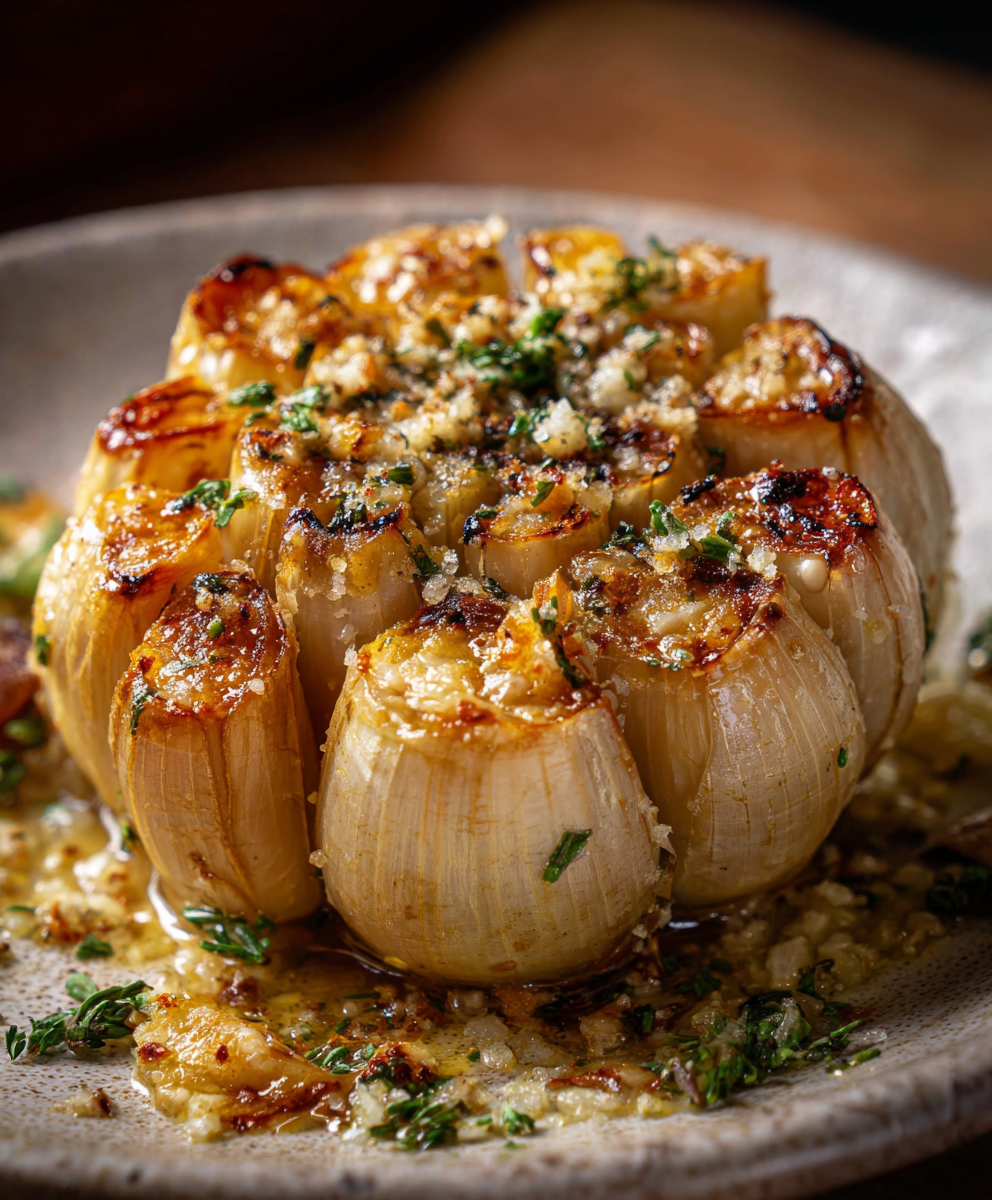
5-Minute Air Fryer Roasted Garlic Magic That Wows
Learn how a 5-minute prep transforms a whole garlic bulb into silky, caramelized cloves in the air fryer. Perfect as a spread, mix-in, or flavor booster that elevates weeknight meals and party plates.

Air-Fried Pizza Rolls
Golden, melty pizza rolls made in the air fryer—crispy outside, gooey inside, ready in under 20 minutes. Perfect for snacks, parties, or quick dinners.

Air-Fried Rice Paper Noodle Rolls
Crispy, light rolls filled with vermicelli, tofu or shrimp, and crisp vegetables—air-fried for a healthier crunch and quick prep.
Did You Make This?
Leave a comment & rating below or tag @royalrecipe on social media!
Rate This Recipe
Share This Recipe
Enjoyed this recipe? Share it with friends and family, and don't forget to leave a review!
Comments (1)
This recipe looks amazing! Can't wait to try it.
Comments are stored locally in your browser. Server comments are displayed alongside your local comments.

Hi, I'm Riley!
What's Popular
30-Minute Meals!
Join to receive our email series which contains a round-up of some of our quick and easy family favorite recipes.