
Homemade Dragon Rolls

A vibrant, crowd-pleasing roll layered with tender shrimp or crab, crisp cucumber, and creamy avocado with a spicy sriracha finish—perfect for dinner or entertaining.
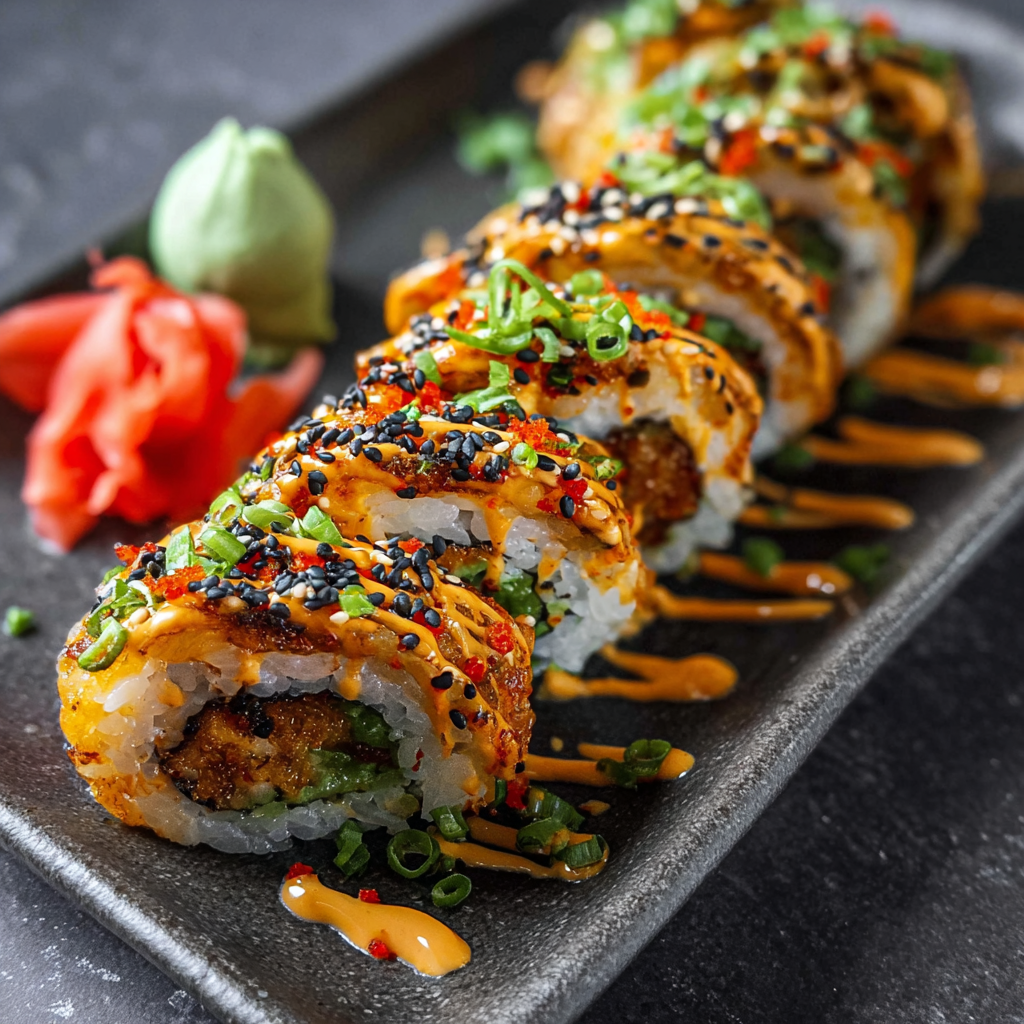
This version of the dragon roll has been a weekend ritual in my kitchen ever since I first attempted rolled sushi for a small dinner party. I remember nervously assembling my first bamboo mat, worried the rolls would fall apart, and then watching in delight as my guests lit up after the first bite. The balance of warm, slightly sweet sushi rice with cool cucumber and buttery avocado, finished with a pop of sriracha heat, makes this an approachable yet impressive dish. It’s one of those recipes that feels both celebratory and comfortingly familiar.
I discovered this combination by adapting classic restaurant-style dragon rolls to be more home-friendly—shorter ingredient lists, clear timing, and step-by-step technique that anyone can follow. What makes it special is how forgiving the assembly is: you don’t need perfect knife skills to get delicious results. The texture contrasts—soft rice, creamy avocado, springy shrimp or crab, and crisp cucumber—create a bite that keeps people reaching for more. It’s great for a casual dinner, a potluck, or a hands-on date night where everyone can try rolling their own.
Why You'll Love This Recipe
- Ready in about 45 minutes from start to finish, including rice cooking and resting—ideal for a speedy weekend meal or entertaining without stress.
- Uses pantry and market staples: sushi rice, nori sheets, avocado, cucumber, and cooked shrimp or crab—easy to source and flexible to substitutions.
- Make-ahead friendly: rice can be prepared earlier and still yield excellent texture when allowed to cool slightly before assembly.
- Crowd-pleaser: mild, approachable flavors with a spicy accent from sriracha that guests can adjust to taste.
- Simple technique produces professional-looking rolls—no sushi chef skills required, just a bamboo mat and a sharp knife.
- Adaptable for dietary needs: swap fillings for vegetarian or cooked fish options to fit a range of preferences.
I’ve served these at backyard gatherings and quiet dinners alike; family members who usually avoid homemade sushi always ask for seconds. The first time I made a double batch, friends polished off three rolls between four people—proof that the combination of textures and the slightly spicy finish is irresistible. Rolling together has become a small ritual in my home: one person spreads the rice, another arranges fillings, and someone else does the final roll while we laugh at our imperfect shapes. The taste is reliably comforting and exciting at once.
Ingredients
- Sushi rice: 2 cups uncooked sushi rice (short-grain). Look for Japanese short-grain varieties such as Koshihikari or Nishiki; they become sticky when cooked and give the proper chew and gloss to the roll.
- Nori sheets: 4 sheets toasted seaweed, full-size. Choose good-quality, dark, crisp sheets so they don’t tear while rolling; store in a dry place to keep them brittle until ready to use.
- Cucumber: 1 medium, seeded and cut into thin strips. English cucumber works well because it has fewer seeds and thinner skin; thin strips give a refreshing crunch without making the roll soggy.
- Avocado: 1 ripe, sliced. Choose slightly firm but ripe avocados so slices hold their shape during rolling; ripe Hass variety gives the best creamy texture.
- Shrimp or crab meat: 1 cup cooked, chopped. Use cooked, chilled shrimp or lump crab meat—both offer a pleasant sweetness that pairs with sushi rice.
- Sriracha: 2 tablespoons (or to taste) for a bright, spicy drizzle. Use classic sriracha or your preferred hot chili sauce.
- Toasted sesame seeds: 1 tablespoon for garnish and a nutty finish; black sesame seeds make a striking presentation if available.
- Sushi vinegar seasoning: 1/3 cup rice vinegar, 3 tablespoons sugar, 1 1/2 teaspoons salt —mix into the hot cooked rice to season it properly and give that characteristic sushi-sour balance.
- Optional: soy sauce for dipping, pickled ginger, and wasabi to serve alongside the rolls.
Instructions
Rinse and cook rice: Rinse 2 cups uncooked sushi rice under cold water until the rinse water runs clear (about 3–4 rinses). This removes surface starch so the cooked rice is glossy rather than gummy. Cook in a rice cooker or on the stove with 2 1/4 cups water; bring to a boil, then simmer covered 18–20 minutes. Let rest off-heat 10 minutes before seasoning. Season the rice: Warm 1/3 cup rice vinegar gently and dissolve 3 tablespoons sugar and 1 1/2 teaspoons salt into it. Transfer the hot rice into a wooden or wide bowl, pour the vinegar mixture over it, and fold gently with a cutting motion to aerate and coat the grains without smashing them. Let rice cool until just warm to the touch. Prepare fillings: Slice the cucumber into thin batons and the avocado into even slices. Chop or flake 1 cup cooked shrimp or crab into bite-sized pieces. Arrange all fillings in small bowls for an efficient assembly line. Assemble the rolls: Lay a bamboo mat covered with plastic wrap on your work surface. Place a nori sheet shiny-side down. With wet hands, spread about 1 cup of seasoned rice evenly over two-thirds of the nori, leaving the top third exposed. Lay shrimp or crab, cucumber strips, and avocado along the center of the rice. Drizzle roughly 2 teaspoons of sriracha across the filling if you want a more distributed heat; reserve the rest for topping. Roll and finish: Lift the bamboo mat edge and roll forward, applying gentle, even pressure to form a tight cylinder. Keep the roll tucked and compact by using the mat to shape it without squeezing too hard. Remove the mat and plastic wrap, then sprinkle 1 tablespoon toasted sesame seeds over the top. Using a very sharp knife dipped in water, slice the roll into eight pieces—wipe and wet the knife between cuts for clean slices.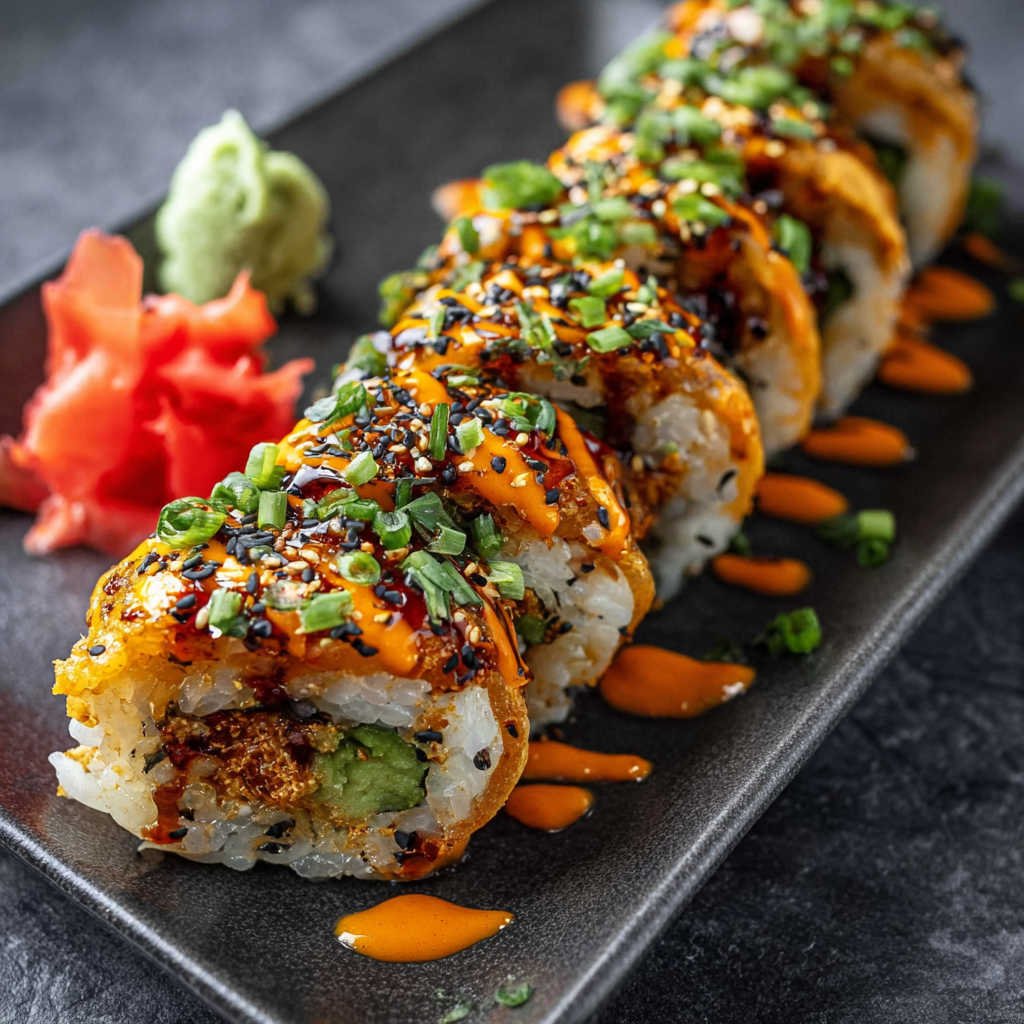
You Must Know
- The seasoned rice is best used warm—not hot—so it adheres to nori while keeping fillings cool; avoid refrigeration before rolling.
- Wet your hands and knife frequently to prevent rice from sticking and to get clean, even slices.
- These hold well refrigerated for up to 24 hours but are best the day they’re made; nori softens over time.
- Contains shellfish and sesame—label appropriately for guests with allergies.
One of my favorite aspects is how quickly the rice can transform simple ingredients into something elegant. When I first taught my partner to roll, the second attempt produced neat cylinders and perfectly even slices; practice matters more than innate technique. Guests always notice the contrast between the warm, seasoned rice and the cool fillings—this temperature play is a hallmark of great rolls. If you’re serving a crowd, set up a rolling station and let everyone build their own to keep the evening lively.
Storage Tips
Store leftover pieces in an airtight container lined with paper towels to absorb excess moisture and keep rolls upright if possible. Consume within 24 hours for the best texture; beyond that the nori becomes soft and the avocado may darken. For longer storage, do not freeze assembled rolls—frozen rice gets mushy on thawing. Instead, prepare rice and keep fillings separately refrigerated for up to 48 hours, then assemble fresh when ready to serve. When reheating rice for reassembly, let it cool slightly to just-warm to preserve the contrast between rice and fillings.
Ingredient Substitutions
If you want a vegetarian version, replace shrimp or crab with seasoned tofu strips or thin tempura vegetables—use firm tofu pressed, sliced, and pan-seared for texture. For gluten-free preparation, confirm your sriracha and any dipping sauce are labeled gluten-free. Swap rice vinegar for apple cider vinegar in a pinch (use slightly less), though the delicate flavor will change. For a lower-sodium option, reduce salt in the vinegar seasoning and choose low-sodium soy sauce or tamari for dipping to keep flavor while limiting sodium intake.
Serving Suggestions
Serve slices on a long platter with small bowls of soy sauce, pickled ginger, and wasabi. Garnish with extra sesame seeds and a drizzle of the remaining sriracha for color and spice. Pair with a crisp green salad or miso soup to round out the meal. For parties, create a sushi board with several rolled varieties—include cucumber maki, spicy tuna, and these dragon-style rolls—to offer a spectrum of textures and flavors that appeal to different palates.
Cultural Background
While dragon rolls are a western-invented interpretation of Japanese rolled rice dishes, they draw on traditional sushi principles: vinegared rice, seaweed wrappers, and fresh fillings. Typically found in fusion sushi restaurants, dragon rolls showcase how home cooks can adapt and celebrate sushi techniques outside Japan. The emphasis on rice seasoning, balance of textures, and careful knife work aligns with Japanese culinary values, even as the presentation and fillings reflect creative modern tastes.
Seasonal Adaptations
In summer, swap crab for fresh coastal shrimp or lightly poached lobster for a luxurious twist. In cooler months, add roasted root vegetables or grilled mushrooms for an autumnal take—press and cool them before assembling so they don’t wilt the nori. Holiday variations can include festive garnishes like thinly sliced citrus or microgreens to brighten the plating for special occasions.
Meal Prep Tips
For efficient meal prep, cook and season the rice up to the morning of serving and keep fillings prepped in airtight containers in the refrigerator. Assemble rolls just before serving to retain the nori’s crispness. If making for lunches, pack ingredients separately and assemble on-site to avoid soggy seaweed. Use individual silicone mats or plastic wrap over a bamboo mat for easy cleanup and consistent rolling pressure.
These dragon-style rolls combine approachability with an impressive final dish—perfect for sharing, celebrating, or simply enjoying a satisfying home-cooked bite. Try them once and you’ll notice small improvements each time; soon you’ll have your own signature twist to show friends and family.
Pro Tips
Wet your hands and knife frequently to prevent rice from sticking and to achieve clean slices.
Use a sharp, non-serrated knife and wipe it with a damp cloth between cuts to maintain neat pieces.
Season the rice while it’s still warm so the vinegar-sugar mixture distributes evenly without melting the grains.
Place plastic wrap over your bamboo mat to protect it and make cleaning easy.
This nourishing homemade dragon rolls recipe is sure to be a staple in your kitchen. Enjoy every moist, high protein slice — it is perfect for breakfast or as a wholesome snack any time.
FAQs about Recipes
Can I assemble the rolls with cold rice?
Use warm (not hot) seasoned rice when assembling to help it adhere to the nori without wilting the fillings.
Can I freeze these for later?
Avoid freezing assembled rolls; instead store components separately and assemble fresh for best texture.
Tags
Homemade Dragon Rolls
This Homemade Dragon Rolls recipe makes perfectly juicy, tender, and flavorful steak every time! Serve with potatoes and a side salad for an unforgettable dinner in under 30 minutes.
Instructions
Rinse and cook rice
Rinse 2 cups uncooked sushi rice under cold water until the water runs clear. Cook with 2 1/4 cups water in a rice cooker or saucepan; bring to a boil then simmer covered 18–20 minutes. Let rest off heat 10 minutes.
Season the rice
Warm 1/3 cup rice vinegar and dissolve 3 tablespoons sugar and 1 1/2 teaspoons salt in it. Fold the mixture into the hot rice with a cutting motion to avoid smashing grains. Cool until just warm.
Prepare fillings
Slice cucumber into thin batons, slice avocado, and chop 1 cup cooked shrimp or crab. Arrange in bowls for easy access during assembly.
Assemble the rolls
Place a nori sheet shiny-side down on a plastic-wrapped bamboo mat. Spread about 1 cup of rice over two-thirds of the nori with wet hands. Add seafood, cucumber, and avocado along the center and drizzle sriracha as desired.
Roll and slice
Using the mat, roll firmly but gently into a tight cylinder. Remove the mat and sprinkle with 1 tablespoon toasted sesame seeds. Slice into eight pieces with a sharp knife dipped in water, wiping blade between cuts.
Last Step: Please leave a rating and comment letting us know how you liked this recipe! This helps our business to thrive and continue providing free, high-quality recipes for you.
Nutrition
Did You Make This?
Leave a comment & rating below or tag
@royalrecipe on social media!
Categories:
You might also like...
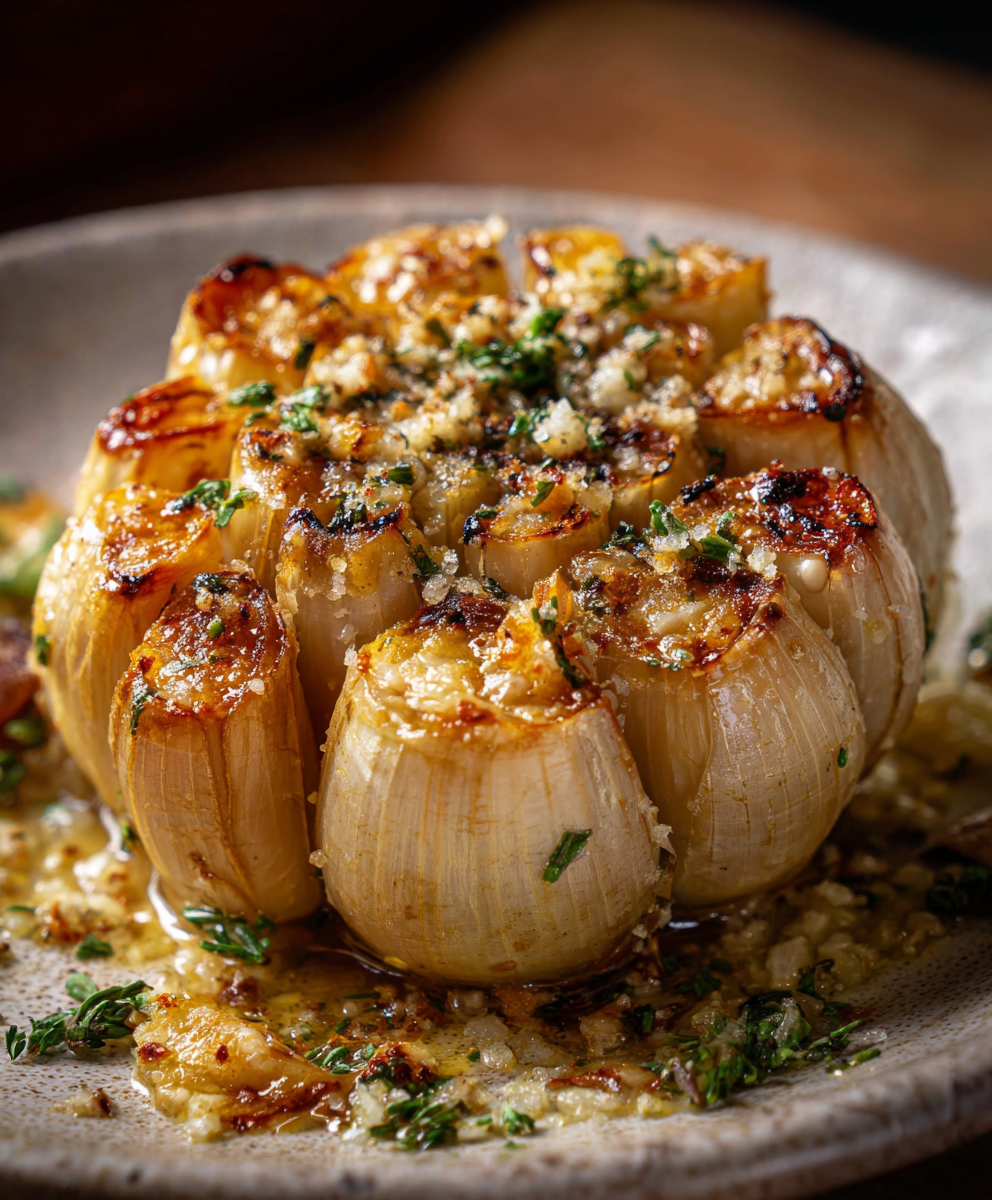
5-Minute Air Fryer Roasted Garlic Magic That Wows
Learn how a 5-minute prep transforms a whole garlic bulb into silky, caramelized cloves in the air fryer. Perfect as a spread, mix-in, or flavor booster that elevates weeknight meals and party plates.

Air-Fried Pizza Rolls
Golden, melty pizza rolls made in the air fryer—crispy outside, gooey inside, ready in under 20 minutes. Perfect for snacks, parties, or quick dinners.

Air-Fried Rice Paper Noodle Rolls
Crispy, light rolls filled with vermicelli, tofu or shrimp, and crisp vegetables—air-fried for a healthier crunch and quick prep.
Did You Make This?
Leave a comment & rating below or tag @royalrecipe on social media!
Rate This Recipe
Share This Recipe
Enjoyed this recipe? Share it with friends and family, and don't forget to leave a review!
Comments (1)
This recipe looks amazing! Can't wait to try it.
Comments are stored locally in your browser. Server comments are displayed alongside your local comments.

Hi, I'm Riley!
What's Popular
30-Minute Meals!
Join to receive our email series which contains a round-up of some of our quick and easy family favorite recipes.